
Cuban Dance & Music History
DC Casineros en español · Compañía, clases y música
A DC CASINEROS LEARNING GUIDE
Cuban Dance & Music: Son, Casino and Rueda de Casino
Explore Casino, Rueda de Casino, Son Cubano and Afro-Cuban dance through Cuban artists, communities and history. Read the historical chapters, watch the dances, listen across generations and find a class. If you arrived while searching for “Cuban salsa,” start with the Cuban names and traditions below.
Where would you like to start?
Choose a path into the music, movement and people behind Cuban dance.
Explore Cuban Music and Social Dance History
Before Salsa: The Cuban Music Behind the Name
Follow the composers, recordings and orchestras: Venezuela in 1966, Fania’s Cuban repertoire, the embargo, and the different sounds of Matancera, Revé, Los Van Van and others.
Casino Is Not “Cuban Salsa”
From danzón matancero and Son Urbano to cha-cha-chá and the formative years around 1959: explore named figures, earlier ruedas and the connection between Casino’s couple work and Rueda de Casino.
Bring the History to Your Classroom or Organization
Our Cuban popular and social dance history lectures connect listening, stories and movement for youth, schools, colleges, corporations and government agencies.
Start with the Names
Casino
A Cuban social partner dance that developed in the 1950s. Its history is connected to recreational clubs and dance halls, and to earlier Cuban dances including Son, Danzón and Cha Cha Chá.
Rueda de Casino
Casino danced by several couples in a circle, with shared figures and partner changes. Casino also exists as a partner dance outside the circle; “Rueda” describes the group formation.
Son Cubano
Son is a Cuban musical tradition and partner dance with deep roots in eastern Cuba. Its music grew from small ensembles into the sextetos of the 1920s and carried its influence far beyond the island.
Why Do We Say Casino?
Casino is not a style of salsa. It is a style of Son, rooted in a Cuban dance lineage that includes Danzón and Cha-cha-chá. At DC Casineros, we call the dances by their own names: Son Cubano, Casino and Rueda de Casino. The commercial label “Cuban salsa” obscures that history and denies recognition to Cuban dancers, musicians and communities.
Cuban educator Daybert Linares explores this naming question in Son y Casino’s essay on Casino and the salsa label. His argument connects terminology with cultural identity and teaching. Our approach follows that commitment: learn the dance, learn the music, and understand the people behind them.
From Cuban Social Clubs to Today’s Dance Floor
In his introduction to Casino’s history, Linares draws on Cuban dance scholar Bárbara Balbuena’s El casino y la salsa en Cuba. Her account places the emergence of Rueda in the 1950s and connects the name with Havana’s Club Casino Deportivo. This is a starting point for learning, alongside the memories of dancers who lived that history.
For our company, the history is also a relationship. Training, travel and collaboration with teachers in Santiago de Cuba, Havana and other Cuban communities shape what we bring into rehearsals and classes in Washington, D.C. Meet the people and places behind that exchange.
The Music We Love: explore all three Cuban music playlists
Books & Articles for Deeper Study
Reading belongs beside listening, movement and learning from Cuban artists. These books have accompanied Adrian Valdivia’s years of study and continue to inform our teaching at DC Casineros.
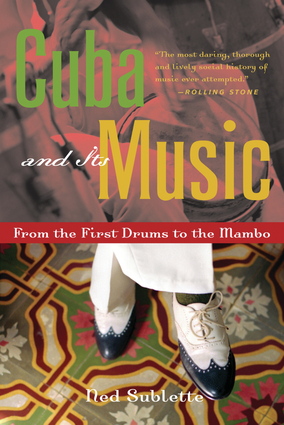
Cuba and Its Music
From the First Drums to the Mambo
Ned Sublette
Explore Cuban music through the histories of the people, places and cultural exchanges that shaped it, from its early roots to the mambo era.
English · Chicago Review Press
Cover: 2007 paperback edition.
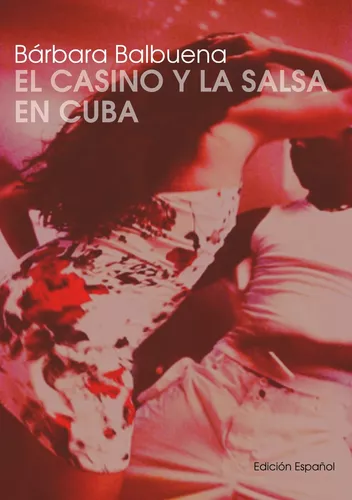
El casino y la salsa en Cuba
Bárbara Balbuena Gutiérrez
Discover the development of Casino, its relationship with Cuban popular music, and the dancers who carried the tradition forward.
Spanish · First published by Letras Cubanas, 2003.
Cover: Spanish BoD edition, 2008.
Son y Casino
Articles on Cuban music, dance and musicality
Son y Casino
Daybert Linares
Our friend Daybert Linares brings a Cuban dancer’s perspective to questions of music, history and social dance. Explore his articles in English and Spanish, and continue the conversation beyond the dance floor.
Listen Across Cuban Music History
Explore Cuban music across eras, then follow its contemporary sounds. Our three playlists offer a broad collection across generations, a shorter guide to musical evolution, and contemporary Cuban popular music.
Cuban Music Across Generations
Hear artists and recordings from different eras in this broader collection. Bring the listening into your reading and dance practice, and explore how Cuban musical traditions continue to develop.
Open Cuban Music Across Generations in Spotify.
Explore the Other Listening Paths
- The Evolution of Cuban Music: a shorter selection for following changing sounds, artists and ensembles alongside our history articles.
- Contemporary Cuban Popular Music: timba and other contemporary Cuban sounds for today’s dance floor.
Explore all three playlists in The Music We Love.
Historical Recordings and Living Traditions
Continue listening through these recordings and conversations with Cuban artists:
- Son recordings from the 1930s — Smithsonian Folkways: hear the ensembles and read the collection’s background.
- Cuarteto Patria and Compay Segundo — “Yo Canto en el Llano”: listen through Smithsonian Folkways.
- Changüí Majadero — Library of Congress concert and artist conversation: explore a musical tradition rooted in Guantánamo through Gabriel García’s account and his group’s performance.
Experience the Dance
Our company’s Cuban Son performance at Baltimore’s World Dance Festival brings music, partner connection and choreography onto the stage.
Watch on YouTube · Explore full company performances
Find Your First Class
See our weekly classes at Dance Place and register directly. Families looking for kids’ Latin dance or salsa classes can explore our Cuban dance programs for children, teens and families. Our programs introduce young people to movement and music while keeping the Cuban traditions at the center.
Want to bring this learning to a school, university or community event? Request a program with DC Casineros.